
Centro di conoscenza
Note applicative, libri bianchi e articoli di settore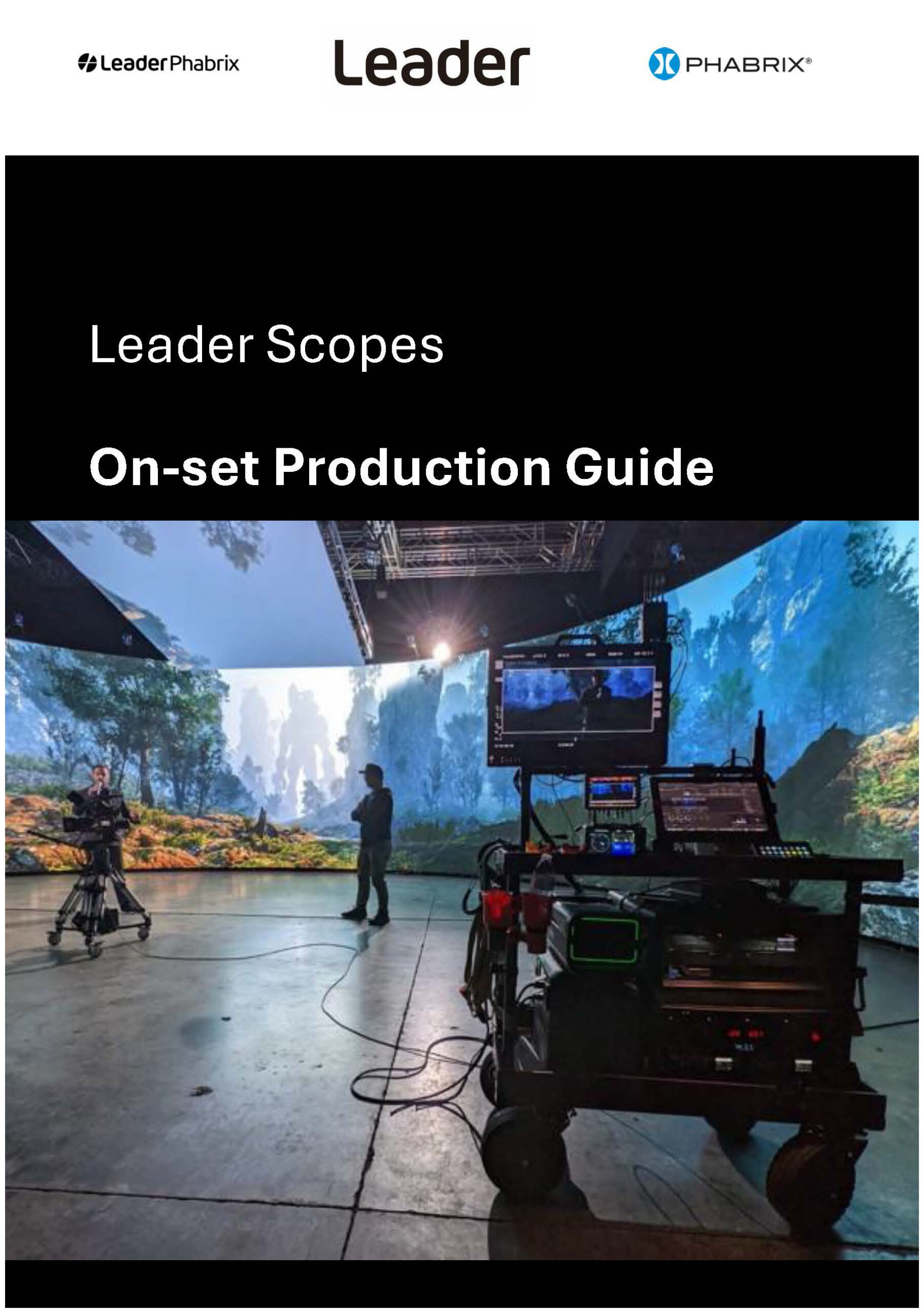
Guida all'iscrizione
Leader | Guida alla produzione sul set
Scopri come le produzioni moderne riescono a conciliare la qualità cinematografica con i budget reali grazie alla Guida alla produzione Leader . Con la continua evoluzione dei contenuti OTT, il monitoraggio tecnico sul set sta diventando fondamentale per garantire precisione, efficienza e coerenza creativa.
La presente guida è stata redatta per illustrare le modalità di implementazione e utilizzo dei prodotti Leader and Measurement nell’ambito dei flussi di lavoro delle emittenti televisive. La guida descrive i vari flussi di lavoro utilizzati in studio dalle emittenti e spiega come i prodotti Leader and Measurement possano semplificare tali flussi e migliorare l’efficienza, garantendo al contempo una programmazione di altissima qualità.
La continua e rapida crescita dei programmi sceneggiati di alta qualità per le piattaforme di streaming OTT come Apple, Disney, Netflix e Amazon Prime Video ha portato all’adozione di tecniche di produzione cinematografica nei flussi di lavoro televisivi e di streaming. Sebbene queste produzioni dispongano spesso di budget consistenti, raramente raggiungono la portata finanziaria delle grandi uscite cinematografiche. Di conseguenza, i team di produzione devono trovare un equilibrio tra i valori di produzione cinematografica e un rigoroso controllo dei costi.
Un approccio efficace per raggiungere questo equilibrio è un monitoraggio tecnico sul set ben strutturato. Identificando e correggendo i problemi tecnici o relativi al colore durante la ripresa, le produzioni possono evitare costosi ritardi e interventi correttivi in post-produzione, riducendo la dipendenza dal tradizionale modello "risolvi in post".
Libro bianco
Messa in servizio del sistema PTP: una serie di test di commutazione Grandmaster per il sistema PTP nelle reti multimediali IP
Imparate le procedure di test essenziali per verificare le prestazioni del sistema PTP e garantire una ridondanza temporale senza soluzione di continuità nelle strutture di trasmissione ibride IP/SDI.
Leader creato questa guida per fornirvi una comprensione completa dei test di transizione PTP Grandmaster. Nella guida troverete:
- Come eseguire sei test critici di transizione GM, dalle transizioni graduali ai guasti improvvisi
- Perché gli interruttori Boundary Clock sono essenziali per una distribuzione PTP stabile nelle reti di trasmissione
- Come funziona il BMCA (Best Master Clock Algorithm) per selezionare automaticamente la migliore sorgente di sincronizzazione
- Come prevenire discrepanze di riferimento tra BB/TLS e PTP in ambienti ibridi
- Strategie di configurazione per evitare cambi inutili utilizzando le impostazioni "Abilita solo una volta"
- Migliori pratiche per mantenere l'allineamento di fase tra i sistemi di riferimento SDI e IP
Con la diffusione dello standard SMPTE ST 2110 e delle infrastrutture ibride IP/SDI, garantire una sincronizzazione PTP affidabile e resiliente è diventato fondamentale. Quando un PTP Grandmaster si guasta o entra in modalità holdover, il sistema deve passare senza soluzione di continuità a un backup senza interrompere la produzione.
Questa guida fornisce agli ingegneri di trasmissione test di messa in servizio strutturati che convalidano il comportamento del sistema durante i passaggi GM, verificano la stabilità temporale tra Boundary Clock e Followers e garantiscono che sia i riferimenti PTP che quelli tradizionali BB/TLS rimangano coerenti in fase, anche in condizioni di guasto.
Seguendo questi test raccomandati con le unità Leader LT4670 e LT4448 , è possibile implementare con sicurezza architetture di temporizzazione robuste e indipendenti dal GPS che garantiscono una sincronizzazione ininterrotta per le operazioni di trasmissione in diretta.
Libro bianco
NMOS: cos'è e perché ne abbiamo bisogno?
Scoprite le basi dell'NMOS, perché è utile e come potete trovare, collegare e configurare i dispositivi multimediali nelle vostre reti audio e video.
Leader ha creato questa guida per farvi capire meglio il concetto di NMOS. Nella guida scoprirete che:
- Come utilizzare NMOS per trovare mittenti e ricevitori sulla rete
- Come appaiono gli schemi a blocchi NMOS semplicistici e avanzati
- Come far funzionare un collegamento NMOS per controllare i dispositivi
- I vantaggi e gli inconvenienti di guardare il server del nodo NMOS con il browser
- Terminologia e specifiche di interfaccia NMOS utili a cui fare riferimento
Con l'adozione diffusa degli standard SMPTE ST 2110 e ST 2022-6, è stato difficile ottenere un'interoperabilità utile negli ambienti multimediali professionali in rete senza un modo per specificare i piani di controllo o applicativi.
Per risolvere questo problema, l'Advanced Media Workflow Association (AMWA) ha sviluppato la famiglia di specifiche libere e aperte Networked Media Open Specifications (NMOS).
Ora, invece di dover creare e aggiornare manualmente tabelle di host contenenti indirizzi IP e nomi di host per sistemi di trasmissione complessi, NMOS porta il settore verso un'architettura completamente in rete, in cui le specifiche prevedono la gestione di flussi video, audio e di dati specificando come scoprire, controllare e connettersi a elementi di rete, inviare informazioni di conteggio, controllare canali audio e molto altro.

Libro bianco
Come garantire che il vostro Blackburst sopravviva all'introduzione del PTP
Tutti noi siamo cresciuti con il riferimento Blackburst nelle nostre strutture e l'unico cambiamento che abbiamo dovuto gestire è l'introduzione della sincronizzazione a tre livelli quando le strutture hanno iniziato a migrare verso l'HD.
L'espansione dei sistemi di riferimento di sincronizzazione a tre livelli Blackburst è relativamente semplice. È possibile collegare in cascata il nuovo dispositivo con l'uscita genlock loop-through di un dispositivo esistente oppure utilizzare un amplificatore di distribuzione per dividere il segnale di riferimento di sincronizzazione a tre livelli Blackburst. Cosa c'è di più semplice?
Le emittenti si trovano ora di fronte a un nuovo riferimento: Precision Time Protocol o PTP, come lo chiamiamo noi. Fortunatamente, questo riferimento è già utilizzato in altri settori, come quello finanziario, delle utenze elettriche e delle telecomunicazioni, e ha degli standard associati.
Ogni settore industriale pretende di essere unico, e il settore broadcast non fa eccezione. Tuttavia, per quanto riguarda il PTP, il settore broadcast è davvero unico. Le autorità preposte agli standard hanno creato un profilo specifico per il PTP e la comprensione di come tale profilo venga applicato al settore broadcast garantirà che l'infrastruttura SDI esistente possa integrarsi con la nuova infrastruttura video su IP senza che vengano introdotti problemi di QoS.
In questo articolo discuteremo le nuove sfide che le emittenti si trovano ad affrontare e metteremo in evidenza alcune delle insidie che possono essere facilmente evitate.